
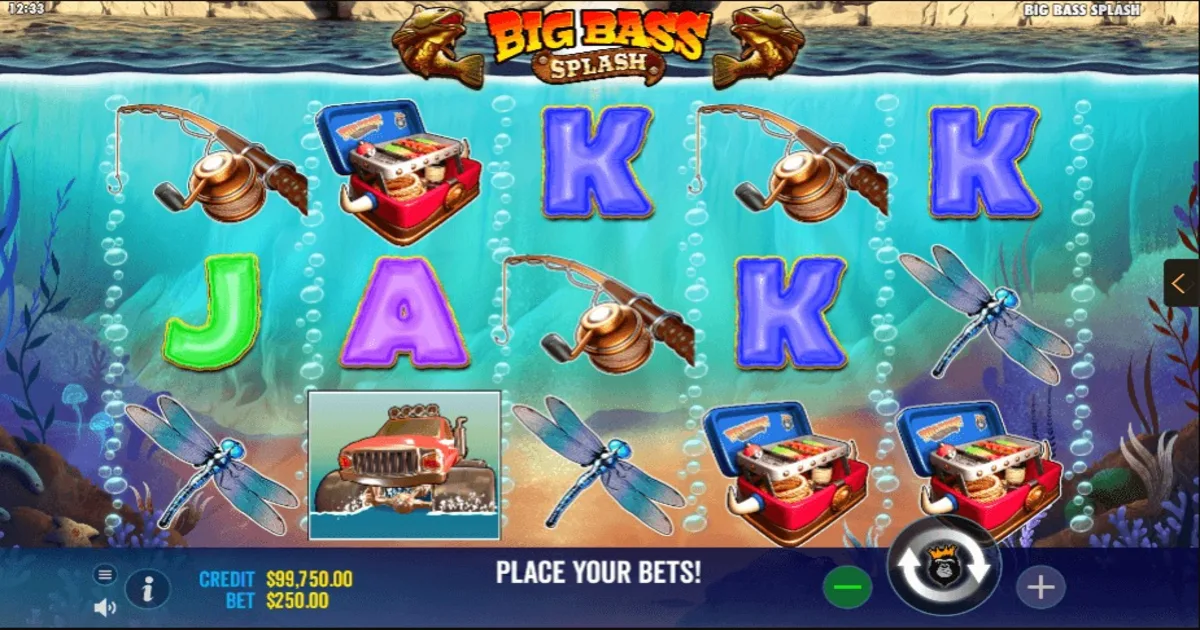
As critics who watch player patterns, we’ve noticed something interesting https://big-basssplash.eu/. Beyond the fishing theme and bonus rounds of Big Bass Splash, a whole set of player beliefs has emerged. In the UK, a thick web of superstitions and rituals now shapes how people gamble. These notions don’t change the game’s core fairness, which is governed by a Random Number Generator (RNG). But they reveal us a lot about how people look for patterns and try to be in control of a game of chance. We’re going to explore at where these beliefs stem from, why they endure, and how they fit with playing responsibly. We’ve tracked forums, streamer chats, and player tales. A clear set of beliefs persists turning up, changing how the game feels socially.
Prohibited behaviors and Avoided Actions During Play
For any lucky ritual, there’s a strong taboo. A significant one is not to abruptly change your bet size after a run of losing spins. People think this will “scare off” the big catch that’s about to happen. In the same way, some players avoid click anywhere on the screen during the free spins bonus. They worry it might “cancel” a possible re-trigger. These prohibitions are classic examples of illusory correlation. A player once had a bad outcome after doing something, so they blame the action itself. They reveal humans trying to write rules of cause and effect for a world run by independent random events. The taboos often concentrate on not “disturbing” the game’s flow or looking greedy to its hidden logic.
Other common taboos exist. Some players never leave a bonus round to run on autoplay if they’re not watching. They see it as disrespectful and sure to bring poor results. Another strong belief is the “curse of the screenshot.” Players avoid taking a screenshot of a good win until the whole session is over. They are concerned that capturing the moment will jinx the spins that follow. These self-made rules create a complex code of conduct for playing alone. They act as risk-avoidance shortcuts. They provide a false sense of safety and control. By sticking to these taboos, players believe they are cutting down on bad luck. This lets them play longer with a sense of managed risk. Here, superstition commences to touch on problem behavior.
The Ritual of Bet Sizing and Escalating Patterns
Aside from basic taboos on altering bets, there’s a more complex level of superstition concerning bet-sizing patterns. Many players stick to strict, self-made betting systems during Big Bass Splash. A widespread belief is that you need to “feed the slot” with gradually growing bets to lure out the bonus. Or, you need to reduce bets after a win to “cool it down.” These aren’t structured systems similar to the Martingale. They are individual rituals based on how the game seems to act. Players create stories where the bet size is a means of interacting with the game. It is a message of intention or deference.
Another prevalent idea is the “trigger bet” theory. Players use a normal bet size for the majority of spins. But when they “feel” a bonus is close, they switch to a particular, often greater, “trigger” amount for a few spins. The reasoning is that the game perceives the increased commitment and responds. We discover these patterns get shared and refined in community talks. They gain credibility merely through being repeated. Objectively speaking, these rituals introduce a layer of strategic fantasy to play. They make the financial risk feel like a planned plan, not a arbitrary wager. That can dangerously conceal the truth of spending. Losses get framed as required steps in a ritual that will yield returns eventually.
The meaning of the “Splash” in Free spin triggers
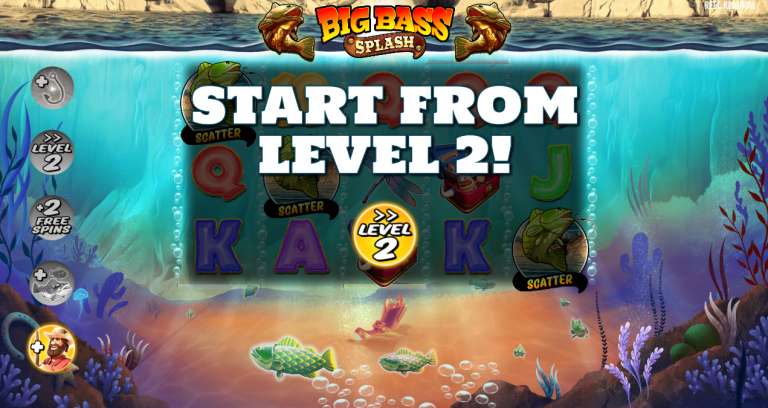
The audio and visual of the “splash” when scatter symbols hit is a big focus for superstitious beliefs. Some players think the intensity or precise sound of the splash can predict how good the upcoming free spins will be. It’s merely a standard sequence, in theory. But the anticipation it builds is genuine. We’ve come across forum threads where players discuss “listening for the deeper splash.” They give these sound effects near-mythical qualities. It demonstrates how sensory feedback becomes filled with meaning. A standard game event transforms into a personal sign of things to come. The splash is a classic “reward cue.” The community has created a whole language for predicting things based on its tiny differences.
Looking closer, players often say they can differentiate a “small fish splash” from a “big bass splash.” The game likely only has a few of sound files. This idea gets more intense during the free spins round itself. Every fish landed comes with its own splash. Players say they can “feel” when a big multiplier fish is ready to hit based on the sound right before it. This extreme attention to game feedback is pure pattern-seeking. The human brain is skilled at it, even when no real pattern is present. It renders the experience more engaging and suspenseful. Every audio cue gets examined for secret meaning. It changes a mathematically random feature into a story of anticipation and guessing. That deepens the fishing theme.
Shared Luck and Session Stories
The UK online community subscribes to “shared luck” stories. When someone posts a screenshot of a huge Big Bass Splash win, others often rush to play. They think the “luck is in the air” or the game is “paying out.” On the other hand, a wave of reports about dry spells can put everyone off. This herd effect shows how gaming superstitions can propagate like a social virus. Streaming platforms make this stronger. A popular streamer’s big win can cause a measurable spike in players. It shows how a single story can overpower statistical understanding for many people. The community acts like one superstitious creature reacting to signals.
This delves into “hot casino” myths. Players assume one specific online casino’s version of Big Bass Splash is yielding more than others. This takes place even though all licensed versions use the same RNG. Forum threads querying “which site is hot?” feed on this idea. Also, players will post “session codes” or describe their exact betting pattern before a big win. Others imitate it, hoping to duplicate the success. This mimics strategy sharing in skill games, but here it’s used for pure chance. It generates a powerful loop. The communal belief confirms itself through concentrated, simultaneous play. Every player’s outcome is still independent and random.
Practices Pre-Game Getting the Reels Ready
Rituals to get ready are all around. We’ve met players who must do a set number of “practice spins” on the smallest bet. They think this “warms up” the game or pays it tribute. Others carefully avoid the “Quick Spin” feature for their initial few spins. They see the full animation as a required ceremony. These acts work as a mental buffer between the player and the game’s swings. They create a personal rite that marks the shift from normal life to game time. It’s a self-made framework that offers ease before facing pure randomness. The ritual side is strong. It’s like athletes with their pre-game rituals to get in the zone. It’s mental groundwork for the fun ahead.
We’ve made a list of these pre-spin habits. Some players always click the scatter symbol on the loading screen for luck. Others make sure their first spin is done by clicking the button, not using automatic play. A common theme is the idea that the game “tests” a player’s patience early on. These rituals do nothing to the RNG. But they give a impression of control. They let the player feel like an active part of their own destiny, not just a passive recipient. This is a key mental trick. It makes high-variance games like Big Bass Splash simpler to enjoy over long sessions. The player feels they did their part.
The Allure of the “Golden Hour” for Fishing
A very common belief we have observed is the “golden hour.” Many UK players are convinced particular times of day are luckier. Early morning hours or nighttime are common choices. This matches what real anglers say about the best fishing times. The ritual is not about software. It’s about mentally preparing. Players start these sessions with more confidence, which can enhance the gaming experience. We’ve noticed this belief creates a shared schedule. Forums become active around these presumed peak times. It creates a common experience that transcends just gaming by yourself. The details can be exact. Some players will play exclusively at dawn or right after midnight. They say these times align with the game’s “natural payout cycle.” That idea does not exist in the software, but it’s powerful in people’s minds.
This shared timing notion often results from confirmation bias. A player who wins during their personal golden hour holds onto that win strongly. Losses during the same time are dismissed or disregarded. On Discord servers, you see this amplified. Members will arrange to play simultaneously, creating a self-reinforcing pattern of increased engagement. It demonstrates how a simple slot can create organized community time. The shared superstition binds people. It converts a random number generator into a community event with its own stories and meet-up times. That’s a dimension of social engagement Pragmatic Play likely did not anticipate.
The Thin Boundary Between Superstition and Safe Play
Our closing point has to handle the crucial line between harmless ritual and problem behavior. Superstitions become worrying when they become illogical beliefs that violate budget and time limits. An instance is playing beyond your means because a “big catch feels due.” We urge players to view these rituals as tools for more entertainment, not as methods to change results. The safest approach is to enjoy the themed rituals Big Bass Splash evokes. But you must ground all play in solid, pre-set limits. Knowing these beliefs are a cultural phenomenon, not a strategy, is crucial for a responsible and fun gaming experience.
We advise players consider themselves some questions. Does a ritual bring to your enjoyment, or does it cause anxiety if you miss it? Is a belief leading you think past losses ensure future wins? Safe play recognizes the entertainment value of community myths. But it firmly rejects allowing them impact money decisions. Tools like deposit limits and session timers are the real “good luck charms.” They guard you from volatility. The deep superstitions around Big Bass Splash demonstrate the game’s cultural impact. But they should stay as a layer of story flavor on top of a foundation of managed, budgeted fun. They should not drive financial behavior.
Humanizing the Game: A “Moody” Slot
One of the most intriguing superstitions concerns giving Big Bass Splash a personality. Players often claim the game is in a “good mood” or a “stingy mood.” This personification is a psychological tool to explain variance. If the slot is “moody,” its behavior appears more predictable and understandable than the cold truth of RNG. You catch it in the language: “It owes me a bonus after all those spins,” or “It’s being friendly today.” This mindset has two sides. It can make the relationship with the game more playful. But it can also feed the dangerous idea that the slot can “repay” losses. Giving unpredictable systems consciousness and intent is a basic human reaction.
This personification goes into strategy. Players talk about “soothing” the game with smaller bets after a loss period. Or they “reward” it with more play after a win. The slot becomes a digital fishing buddy with its own temper. We notice this narrative a lot on live streams. Streamers talk directly to the game, begging or joking with it. This framing makes things more relatable and story-like. But the dangerous flip side is the gambler’s fallacy in disguise. It’s the belief that the slot’s “mood” creates debts and credits. A player sure the game “owes” them is in a risky spot. They might chase losses, seeing a random cold streak as a personal insult that needs fixing with more play.